The story, by generation
How We Got Here
Seven generations, newest first — each a chapter in one long migration, from English parishes and a Norwegian hillside farm, across the ocean and the continent, to a foreman’s house in Flint and the family that stands here now.
1940–present · 8 people
The Living Generation
Eight children of one Air Force family
This is the family as it stands today: eight Paulson children, all sons and daughters of (1924–1983) and Mary Catherine Dafoe (b. 4 January 1932), who married on 22 March 1951 in Maryland. They arrived across sixteen years. John Clifford came first, in 1948, followed by Lawrence Raeburn in 1951, Richard Alan in 1953, Victoria Kay in 1954, and Sandra Ann in 1956. Then came Carol Marie in 1961, William Thomas in 1962, and finally Mary , born 4 March 1964.
Their father was a military man — a 1st Lt. in the U.S. Air Force and a veteran of both World War II and Korea, born at Flint, Michigan, in 1924. He died at Mansfield, Ohio, on 22 January 1983, age 58, and lies in Bellville Cemetery in Richland County, where the family's roots settled in north-central Ohio. The records anchor every one of these eight back to him and to Mary Catherine, the mother who carried the household through its long stretch of births.
The genealogy that gathers them, "Paulson's how we got here," was compiled on 13 October 2006 — the document that makes this living generation knowable, line by line, name by name. They are the present edge of the story, the ones still here to look back along the path the earlier chapters trace.
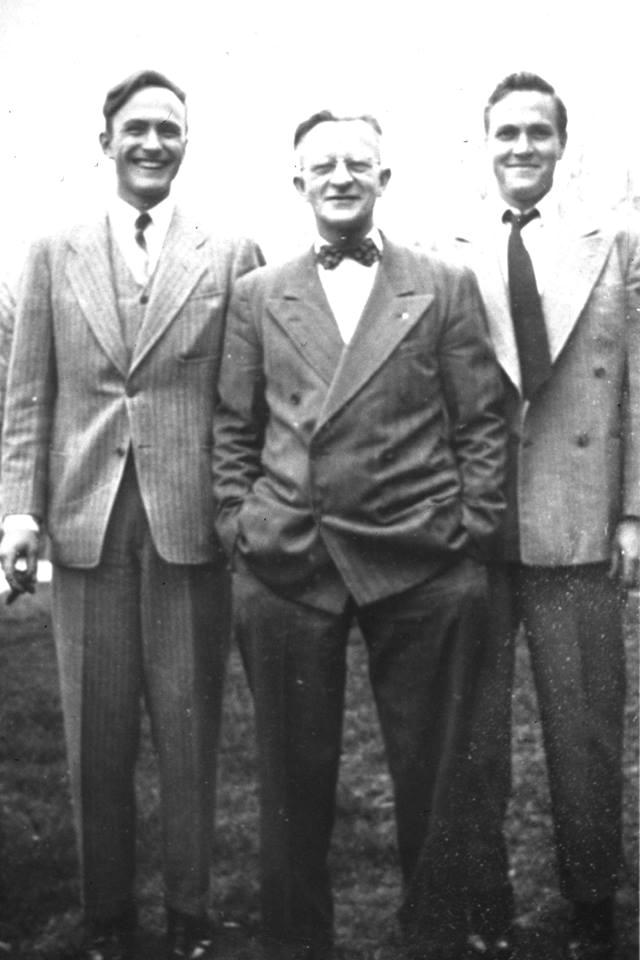
“1st Lt., U.S. Air Force — World War II, Korea
Who they were
Key moments (8)
- 29 Feb 1948 John Clifford Paulson born
- 19 Nov 1951 Lawrence Raeburn Paulson born
- 14 Mar 1953 Richard Alan Paulson born
- 1 Jun 1954 Victoria Kay Paulson born
- 14 Jul 1956 Sandra Ann Paulson born
- 15 Jan 1961 Carol Marie Paulson born
- 14 Mar 1962 William Thomas Paulson born
- 4 Mar 1964 Mary Elizabeth Paulson born
1915–1939 · 5 people
Donald's Generation
A Marine, a consultant, a Michigan line
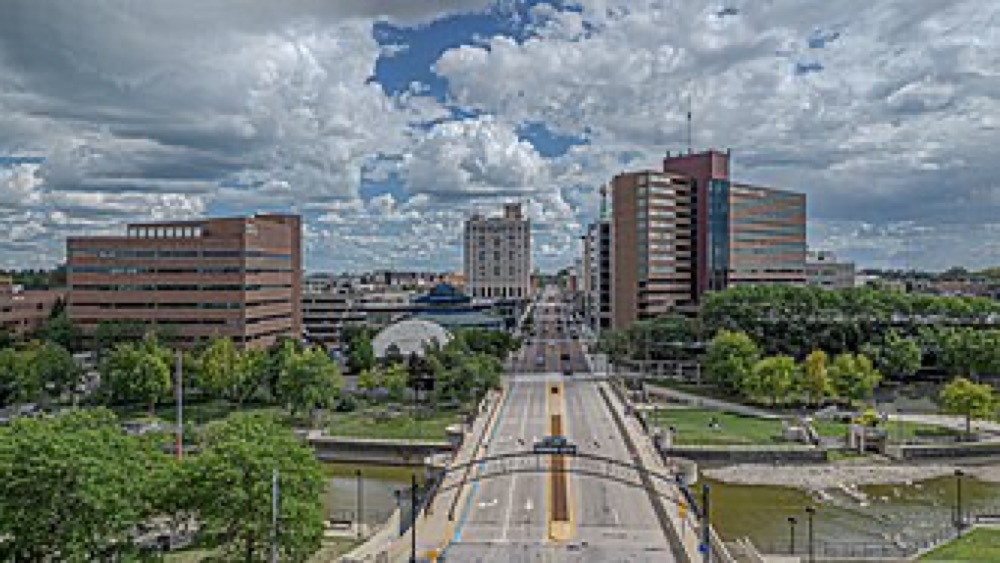
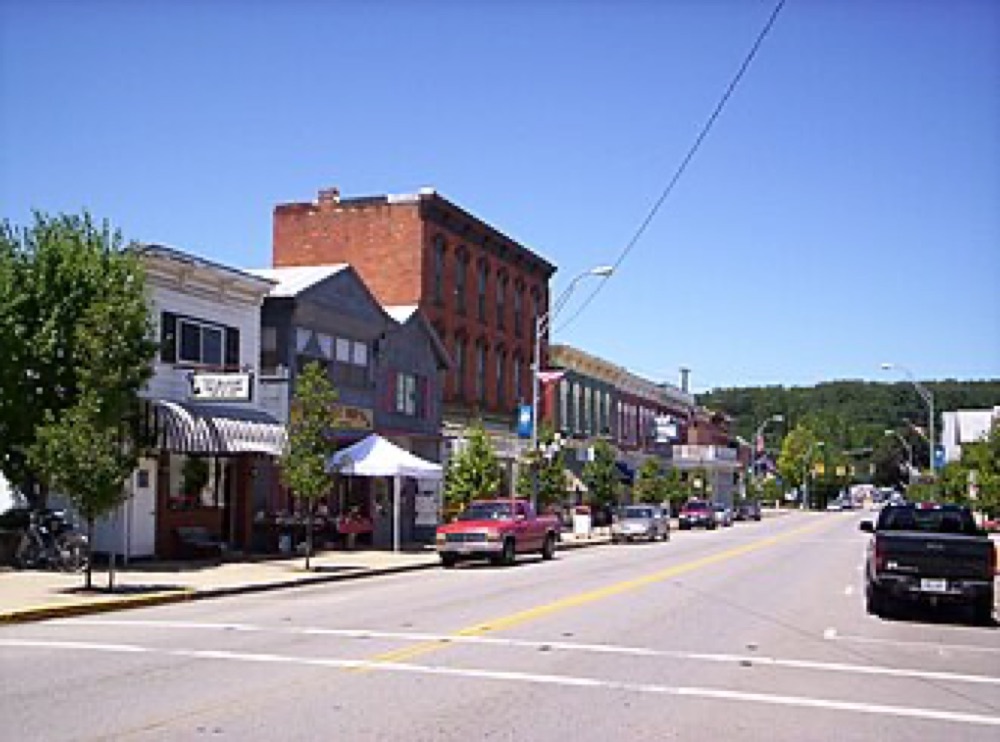
⤳ Flint, Michigan → Mansfield, Ohio
This generation, born between 1921 and 1932, centers on , the direct line forward. Donald was born in Flint, Michigan, in 1924 — the year the family records mark his arrival there — and he carried that Michigan beginning into a full life. He served in the Third Division of the U.S. Marine Corps in World War II, then built a management consulting firm that earned national recognition. He married twice, to Mary Helen Chick and to Mary Catherine Dafoe, and died in 1983 in Mansfield, Ohio, far from where he started.
Alongside him stood , born in 1922, who carried his father's distinctive middle name, Raeburn. Clifford met Netta at the University of Michigan in Ann Arbor; their marriage lasted some sixty-two years. The records also hold quieter names from these years — Lynn Paulson, born 1921, and Donald's two wives, Mary Helen Chick and Mary Catherine Dafoe — figures whose stories the documents only partly preserve.
One caution worth naming: much of the corroborating detail traces to a single genealogy source whose page can no longer be retrieved, so some particulars remain open rather than fully settled. What is clear is the shape of the generation — Michigan roots, wartime service, and a line that moved from Flint outward into the wider country.
“He eventually formed a management consulting firm which had national recognition.
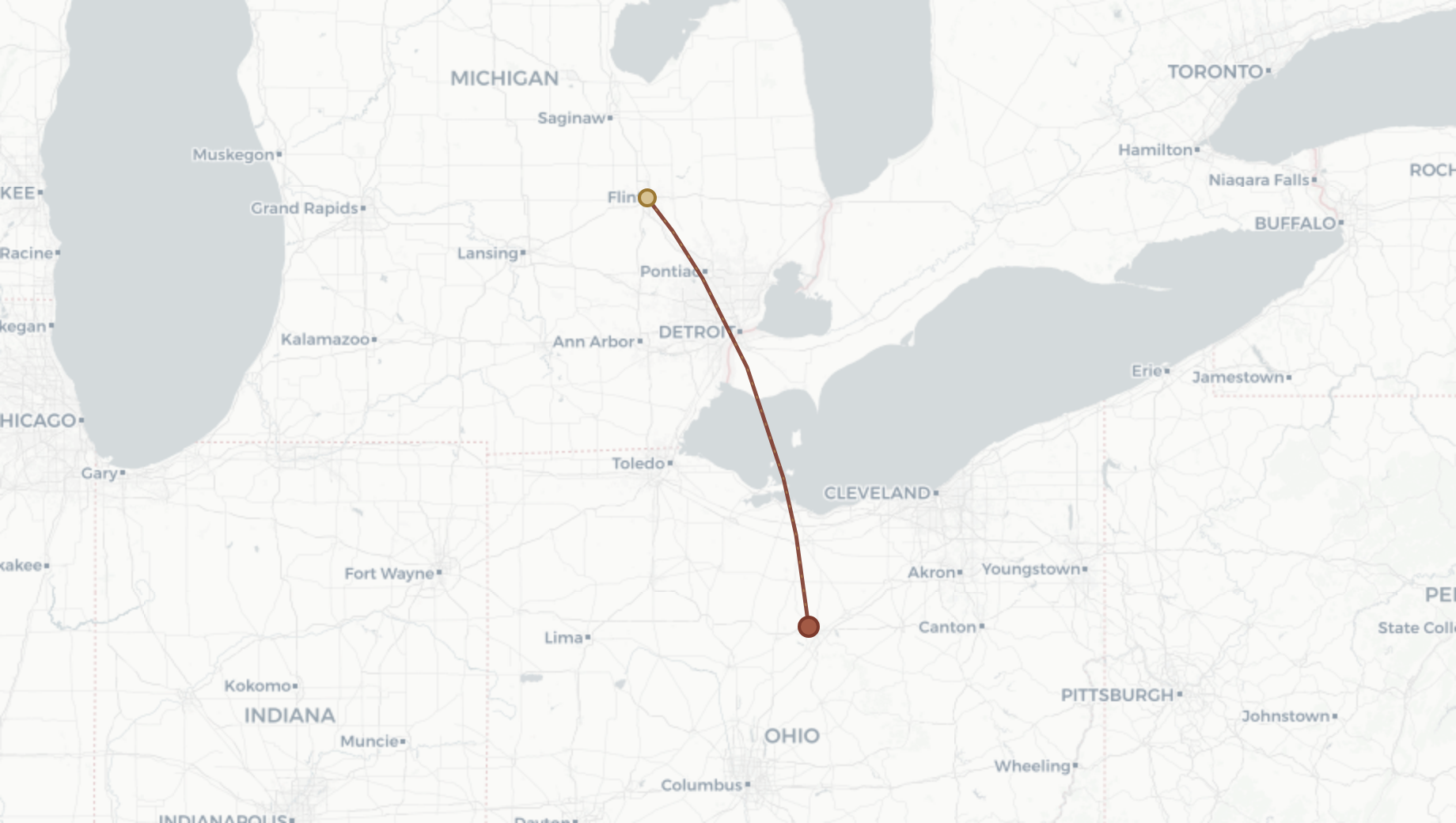
Places in this generation

Who they were
Key moments (8)
- 17 Feb 1921 born
- 8 Aug 1922 born
- 14 May 1924 born · Flint, Michigan
- 10 Dec 1926 Mary Helen Chick born
- 4 Jan 1932 Mary Catherine Dafoe born
- 17 Aug 1947 married · Detroit, Michigan
- 22 Mar 1951 married · Maryland
- 22 Jan 1983 died · Mansfield, Ohio
1885–1914 · 11 people
Flint, Michigan
Tool and die, then a farm
⤳ Garden Valley, Wisconsin → Flint, Michigan
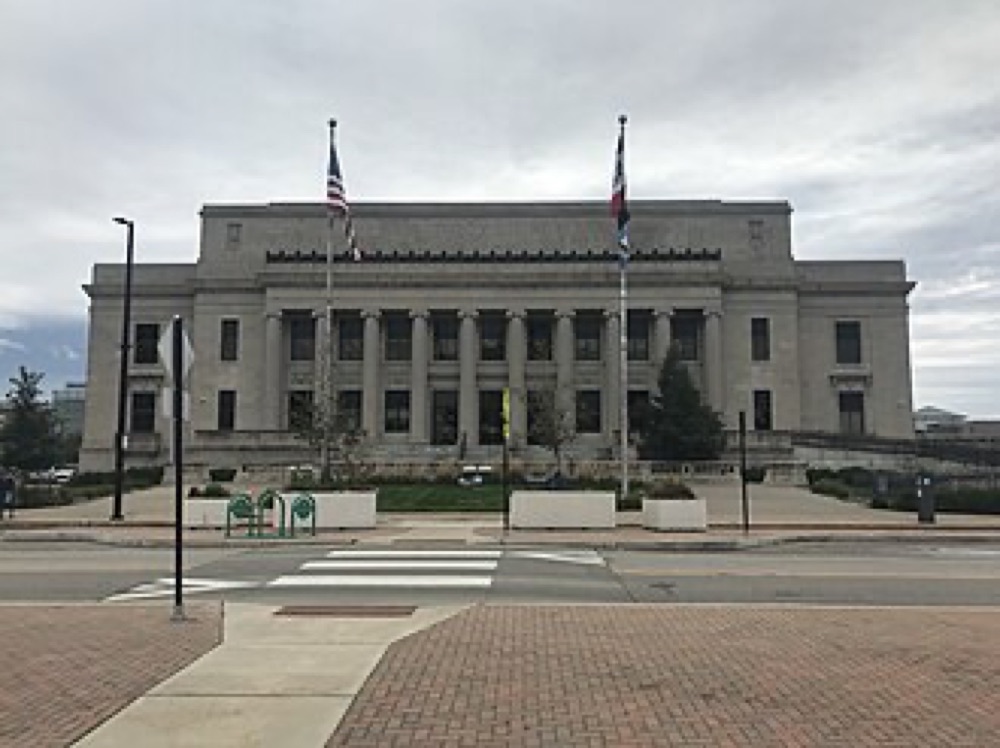
This generation was born across the upper Midwest in the years bracketing 1900. came into the world on November 26, 1893, in Garden Valley Township, Jackson County, Wisconsin, and grew up on the family farm north of City Point. His wife, , was born in 1895 in Linn County, near Springville, Iowa. They were the line's direct ancestors, and in 1919 they went to Flint, Michigan, the move that gives this chapter its name.
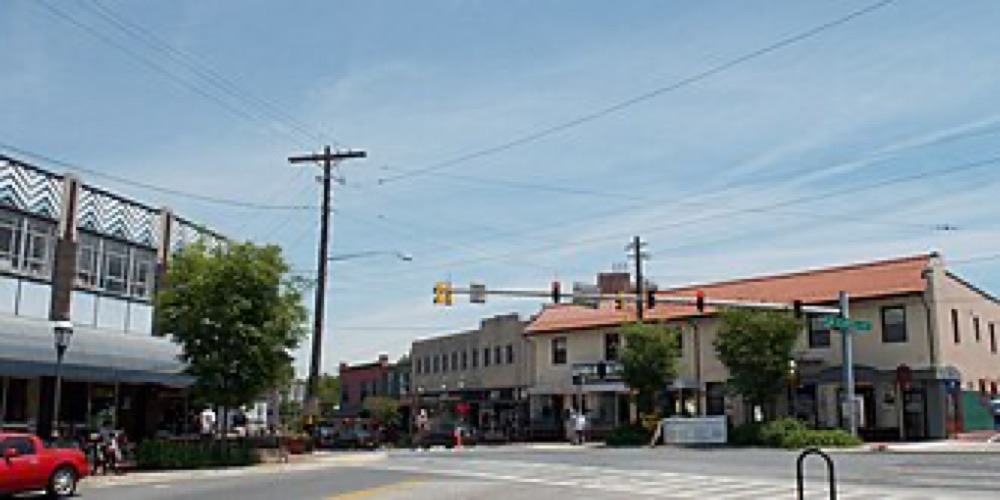
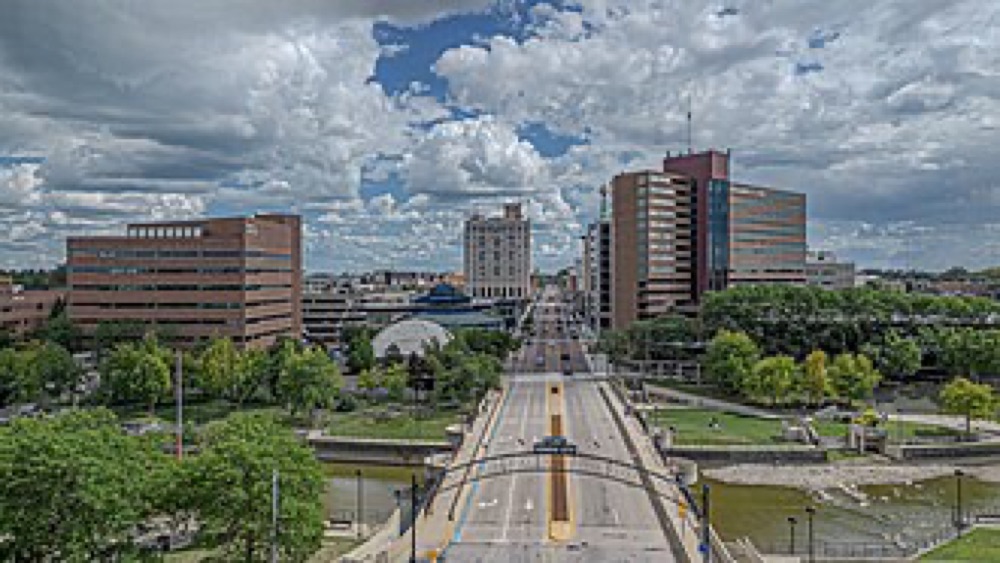
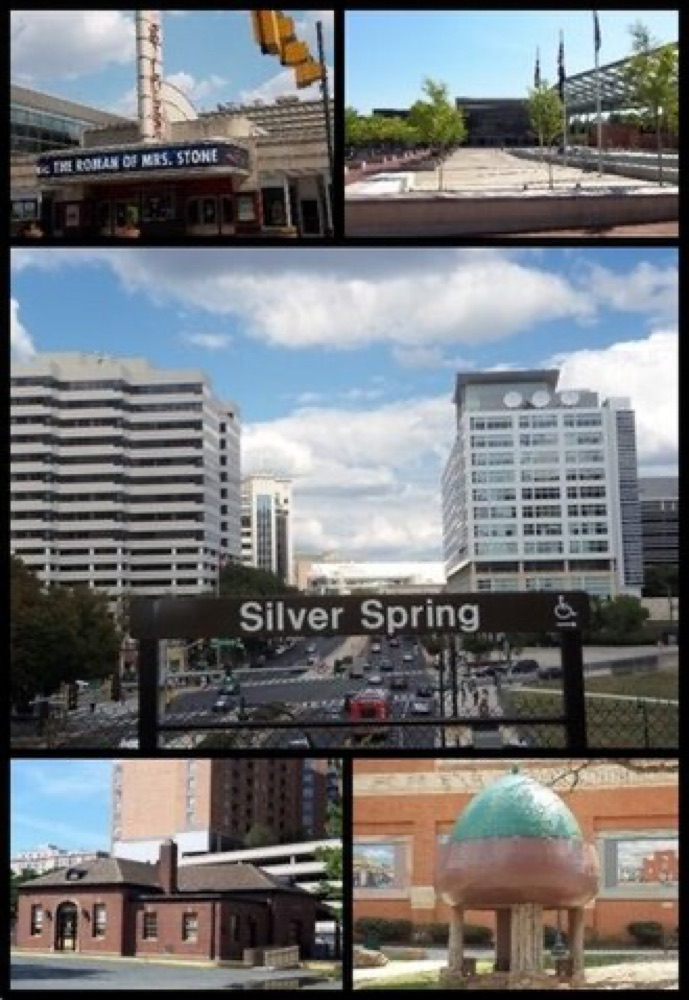
In Flint, Raeburn became a foreman in Buick tool and die before resigning to run a gas station. Esther spent her working life in teaching and school administration. Their first child died the day after birth in 1921; sons Clifford (1922–2014) and Donald carried the line forward. In January 1938 the family moved to a farm north of Neillsville, Wisconsin; that March a fall crushed part of Raeburn's vertebrae, leaving him partially paralyzed from the waist down. He died in 1970 at Takoma Park, Maryland, and was buried back in Flint; Esther, after his death, returned to Flint and then to Maryland, dying at Silver Spring in 1990.
Esther's siblings scattered widely from their Iowa roots: Stephen Chester (b. 1896), Dilman French (b. 1900, who also settled in Genesee County, Michigan), Edwin Glenn (b. 1903), and Ruth Eleanor (b. 1908). Raeburn's siblings included Claude Zene, Mary Estelle, Elma Alice, and Lynn Paulson.
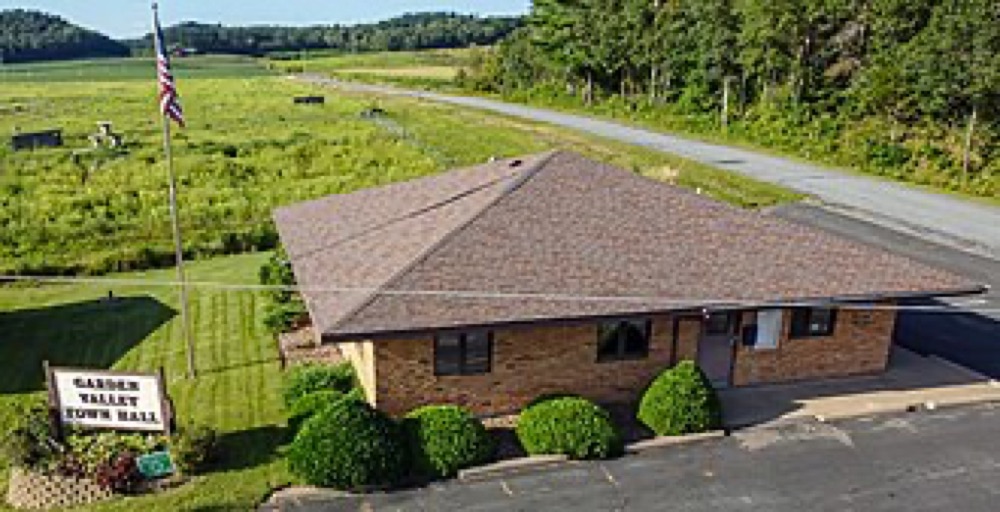
“They went to Flint, Michigan, in 1919.
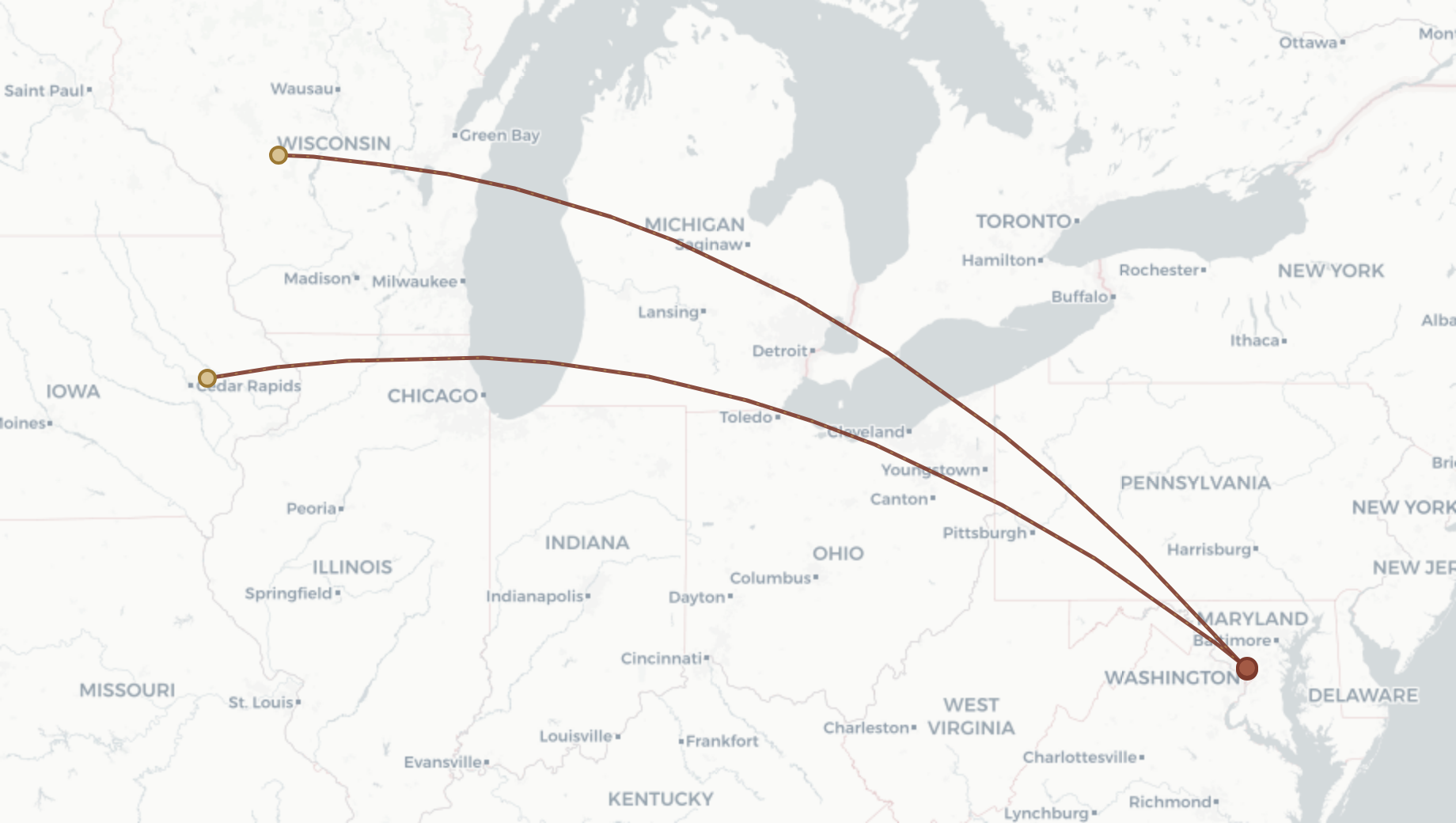
Places in this generation
Who they were
Key moments (14)
- 5 Feb 1885 born
- 26 Nov 1893 born · Garden Valley Township, Wisconsin
- 20 Feb 1895 born · Linn County, Near Springville
- 29 Feb 1896 born
- 16 May 1896 born
- 10 Jul 1897 born
- 28 Jan 1899 born
- 30 May 1900 born
- 24 Aug 1902 born
- 16 Dec 1903 born
- 22 Jan 1908 born
- 31 Dec 1919 married · Flint, Michigan
- 3 Apr 1970 died · Takoma Park, Maryland
- 18 Mar 1990 died · Silver Spring, Maryland
1845–1884 · 22 people
The Convergence
Where three family lines met
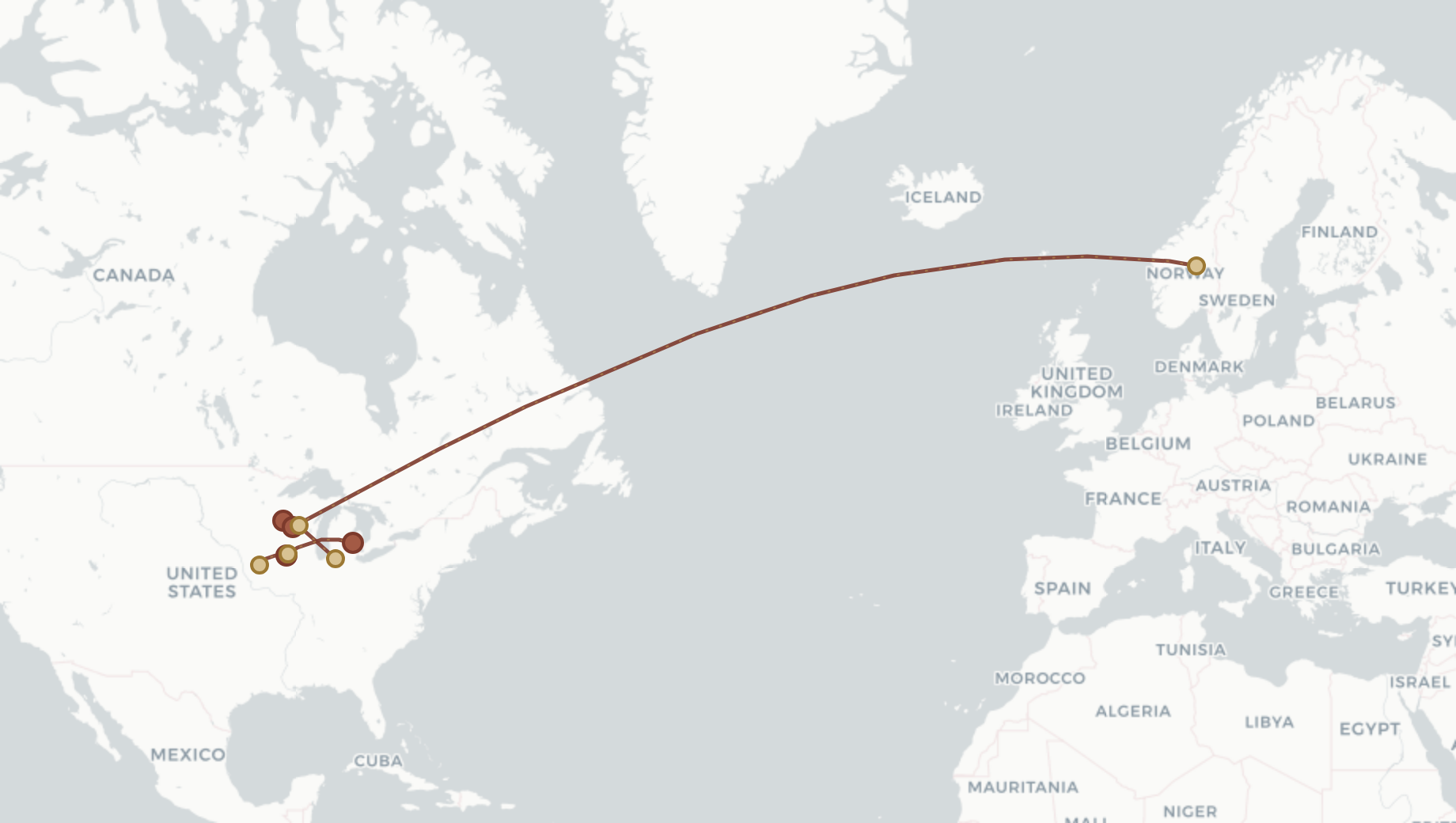
⤳ Snikkerplassen, Norway → City Point, Wisconsin
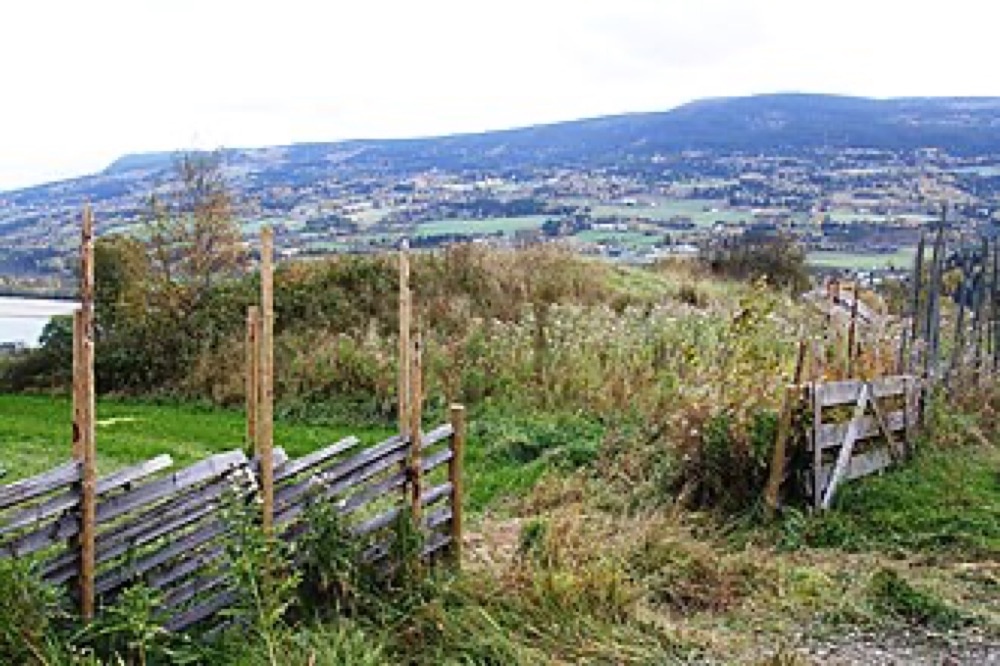
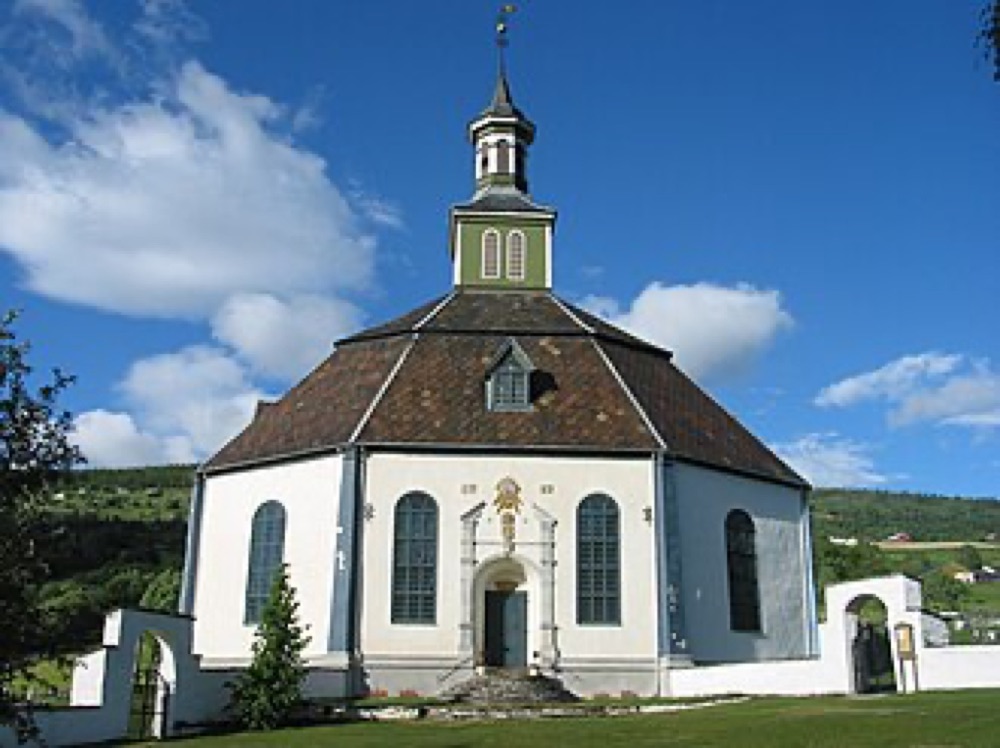
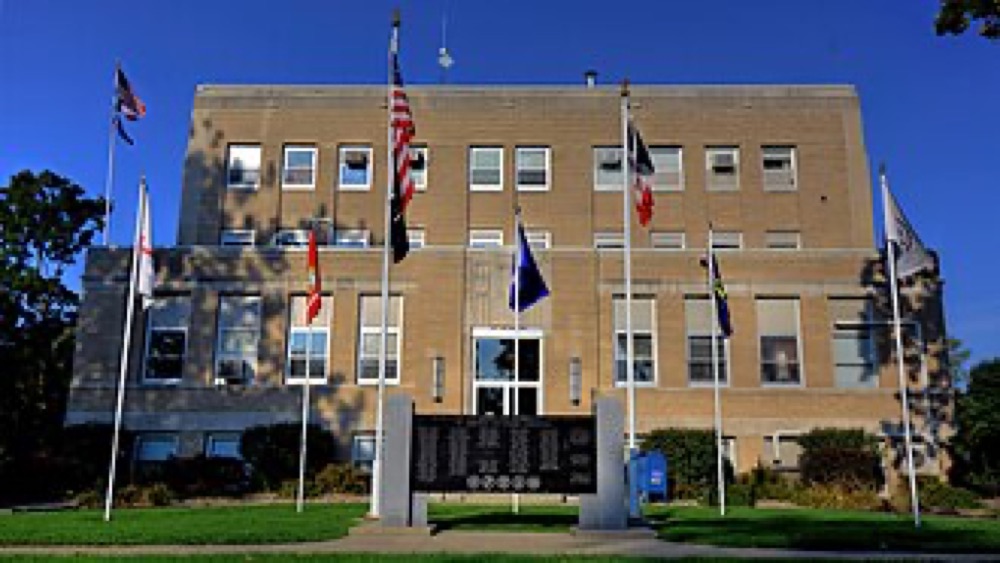
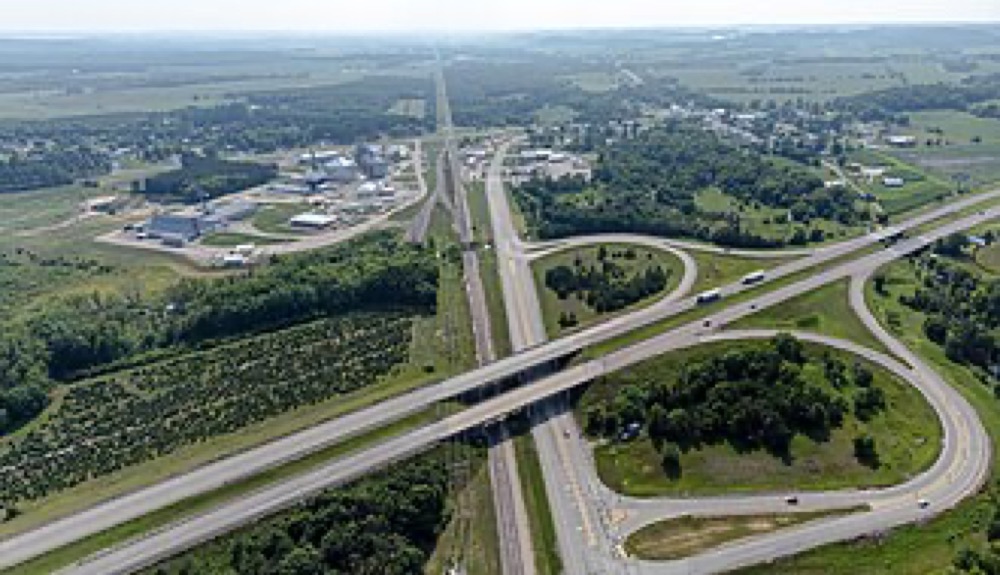
This is the generation where separate lines began to converge. From the farm Snekkerplassen in Sør-Fron, Norway, (1853–1931) and his brother Ole came to America in 1873, their names taken off the church books that May. Iver found logging work around Black River Falls, Wisconsin. Standing only about 1.56 meters, he "did more work than many larger men" and became a foreman. He married (1869–1935), born near Hixton and a schoolteacher at Alma Center, Merrilan, and City Point; together they ran a small hotel in City Point, where both are buried.
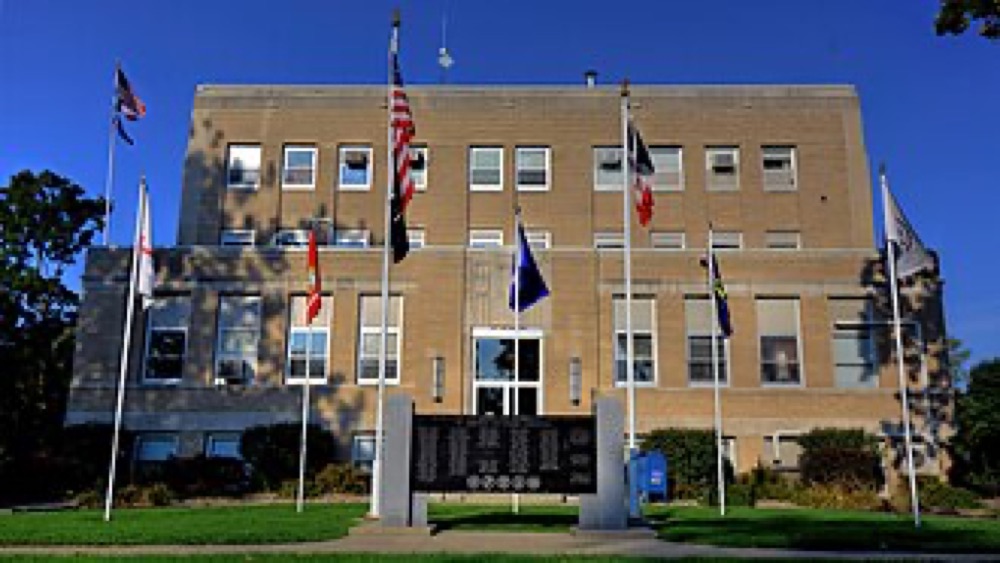
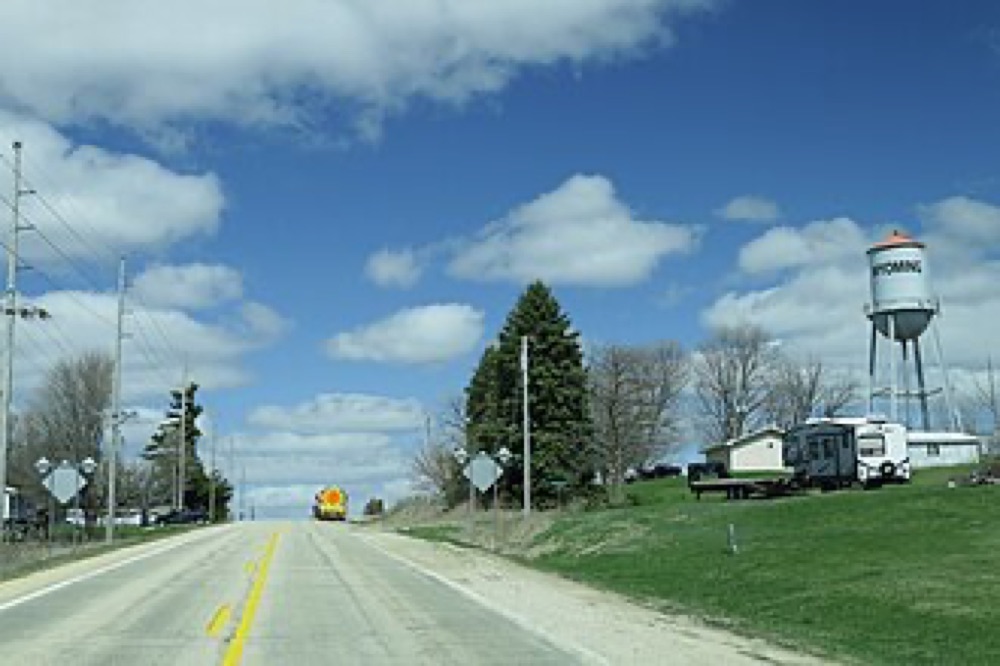
Maude's mother, (1848–1927), was born in White Pigeon, Michigan, attended a young ladies' seminary in Madison, and lost two brothers, Charles and Nathaniel, in the Civil War. Far to the south, in Jones County, Iowa, the French and Bills families took root: (1866–1950), born at Canton, married the farmer (1862–1926) in 1894 at Wyoming, Iowa. The "A" in Fred's name stood for nothing at all.
Sarah and Fred's daughter Esther married — the knot that joined the Iowa and Wisconsin lines. Around these five direct ancestors stood a wide kinship of siblings: the French children of Joseph and Grace Catherine, and Iver's Norwegian brothers and sisters, Mari, Ole, John, and Berte, and dozens of others.
“He was short, about 1.56 meters tall, but he did more work than many larger men.
Places in this generation

Key moments (16)
- 22 Jan 1848 born · White Pidgeon, Michigan
- 30 Dec 1850 born
- 17 Jun 1851 born
- 17 Mar 1853 born · Snikkerplassen, Norway
- 30 Apr 1853 born
- 16 May 1853 baptized · Sor-Fron Dom Kirke
- 23 Oct 1857 born
- 2 Dec 1857 born
- 15 Dec 1859 born
- 14 Jul 1862 born · Madison Township, Iowa
- 12 Feb 1863 born
- 18 Feb 1865 born
- 9 Aug 1866 born · Canton, Iowa
- 19 Apr 1868 married · Northfield, Wisconsin
- 11 Jun 1868 born
- 6 Jan 1869 born · Coral City (near Hixton), Wisconsin
1790–1844 · 87 people
Crossing to the Midwest
Old worlds left for new ground
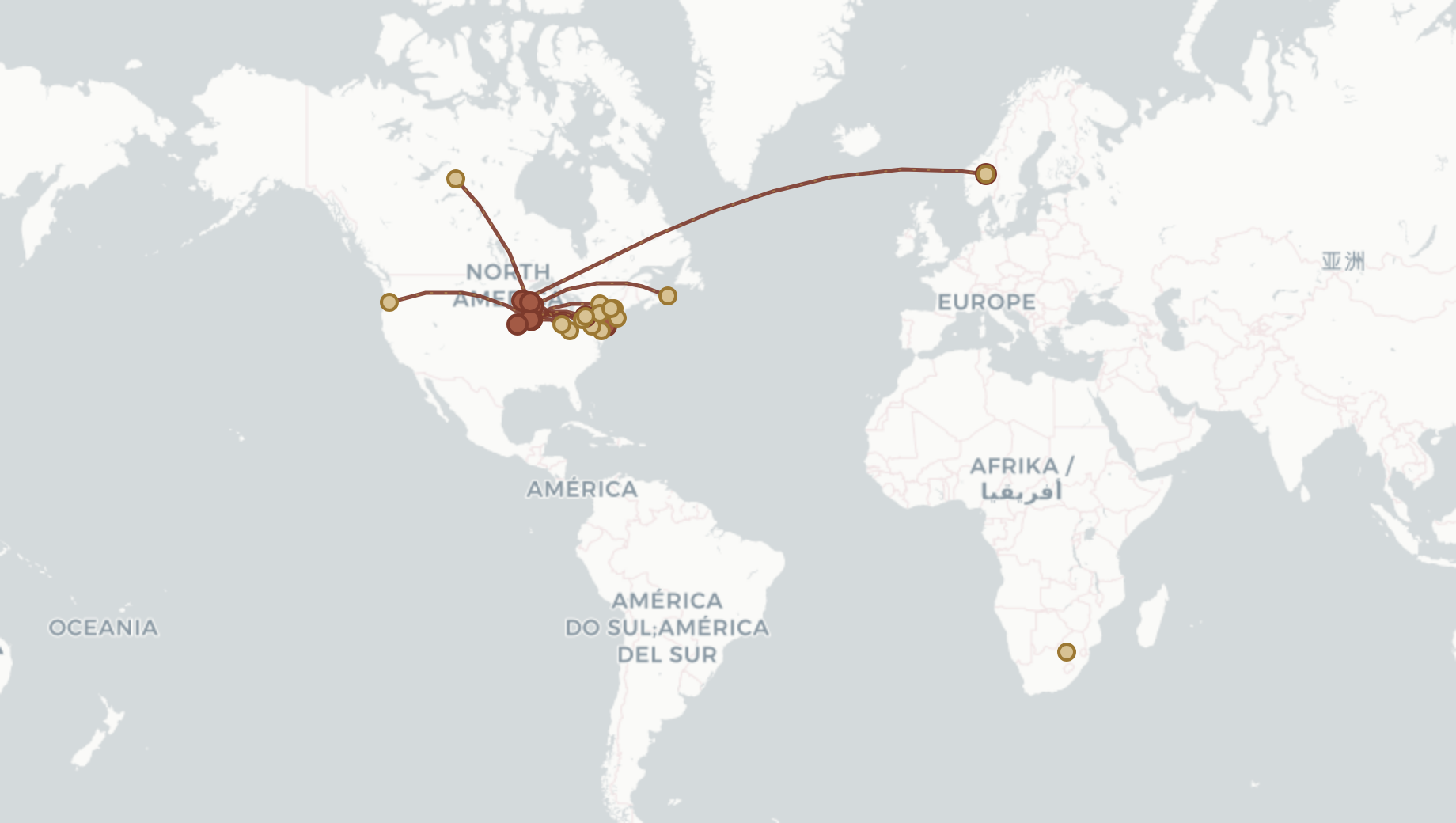
⤳ New England, Canada & Norway → Iowa and Wisconsin
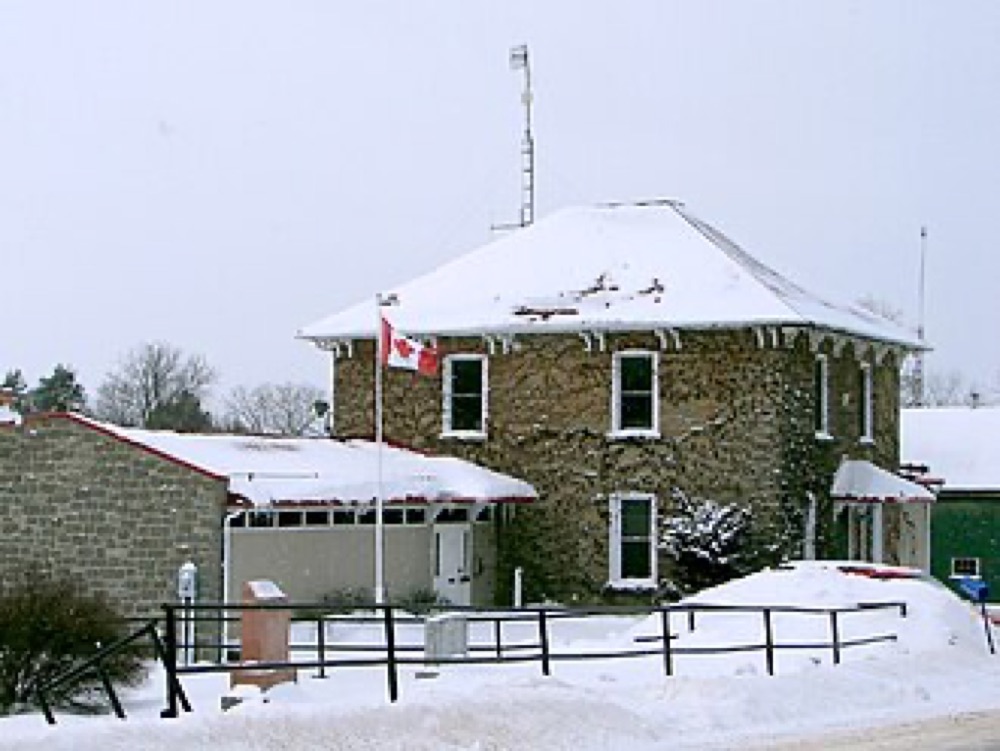
This is the generation that pulled the family west. Born between 1790 and 1844 in Vermont, New York, Pennsylvania, Canada, and the farms of Gudbrandsdalen, they scattered toward Iowa and Wisconsin. Joseph French (1823–1900) traced the longest American arc: born in Greene County, Pennsylvania, he moved to Licking County, Ohio in 1830, reached Clay Township, Jones County, Iowa in 1846, married in Indiana, lost her in Jackson County, then returned and married (1836–1911) on his father's old homestead. His parents, and (1801–1891) of Virginia, are buried in the same Jones County ground.
(1830–1914), born near Fort Ticonderoga, was carried to Vermont as an infant and to Chautauqua County, New York at seven; he and (1835–1862) moved to Iowa in 1860. Both rest in Anamosa. The Wright line came down from Canada: Phineas Wright (1812–1874) and built the mill at Coral City, Wisconsin, and their son (1838–1926), born near Fort Defiance, Ohio, farmed Garden Valley for 34 years.
In Norway, the Sør-Fron farms held steady. Iver Olsen bought Haverstad in 1837; (1822–1885) worked nearby Snidkerplatsen with one horse, six cows, five sheep. His widow (1828–1905) sold both farms in 1887 and died in Minneapolis — the family's bridge to America.
“They fed one horse, six cows and five sheep.
Places in this generation
Key moments (16)
- c. 1801 born
- 18 Jan 1801 born · South Hegge farm
- 18 Jan 1801 baptized
- 22 Feb 1801 born · Virginia Or West Virginia
- 11 Apr 1802 baptized · Sor Fron Dom Kirke
- c. 1812 born · Canada
- c. 1814 born · Massachusetts
- 1 Oct 1818 married · Amity, Pennsylvania
- c. 1820 born · New York state
- 9 May 1821 born · Johnstown, Canada
- 3 Feb 1822 born
- 6 Mar 1822 baptized
- 19 Mar 1823 born · Greene County, Pennsylvania
- 28 Apr 1828 married
- 1 Jul 1828 born · Near Hundorp, Norway
- 20 Jul 1828 baptized · Sor-Fron Dom Kirke
1650–1789 · 282 people
Colonial New England
Puritan towns, deacons, and the long push inland
⤳ Coastal Massachusetts → Rhode Island & Connecticut → New York, New Jersey, and Canada
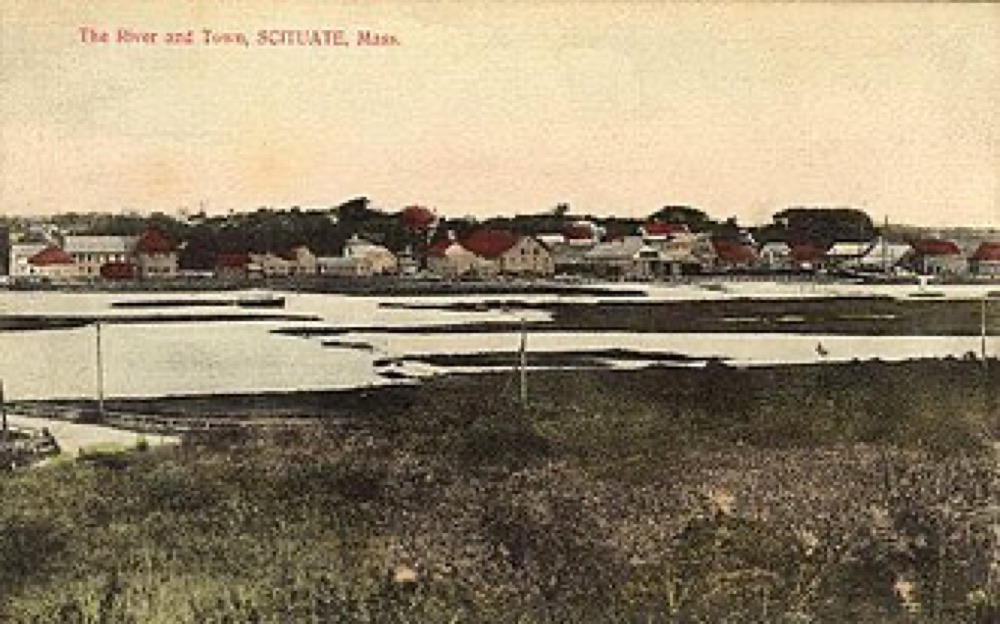
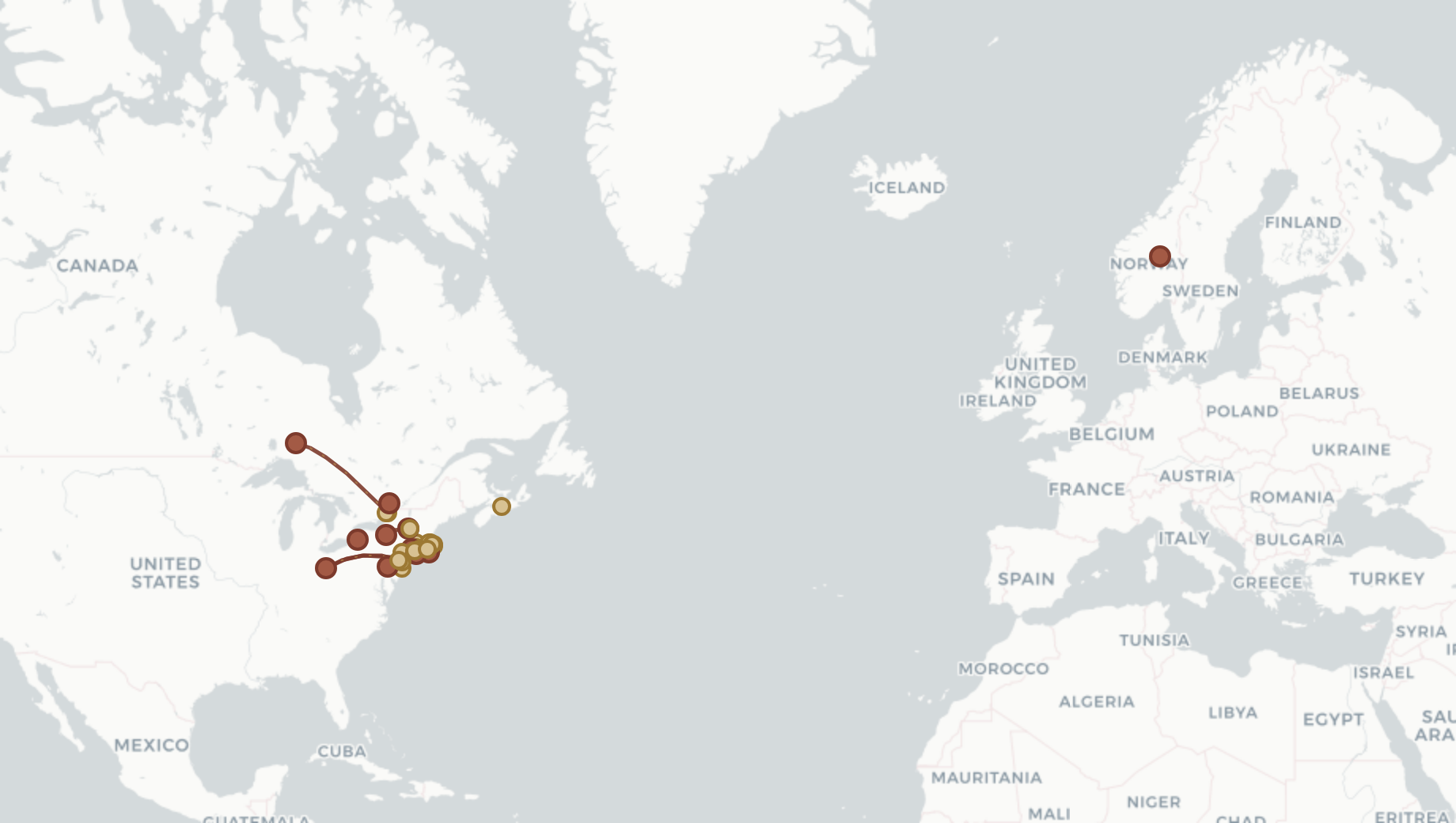
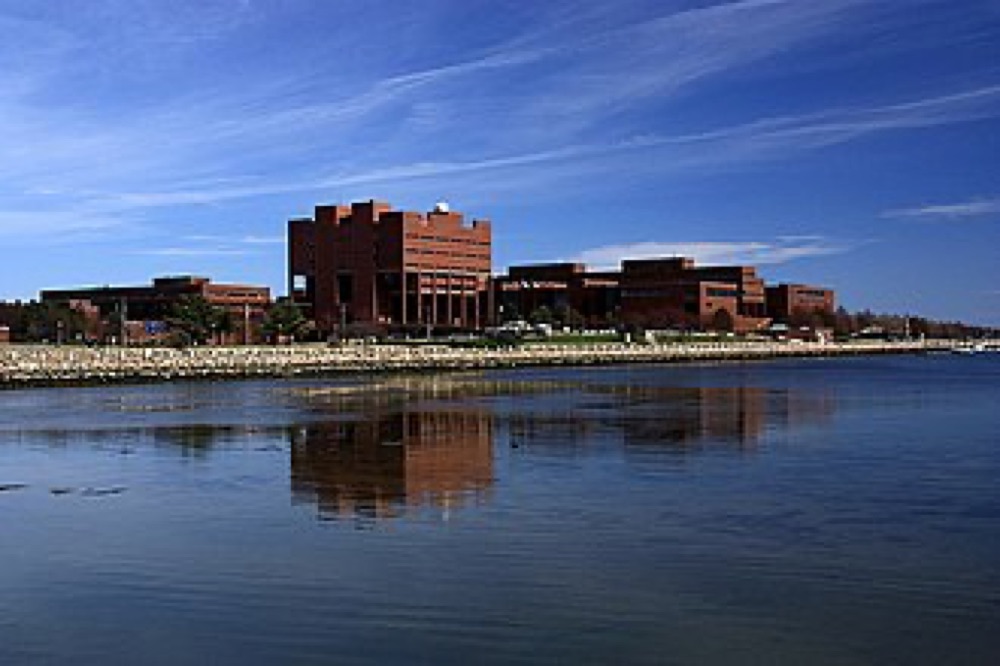
This is the deep New England generation, 282 people in all, born into the coastal Puritan towns of Massachusetts and spreading outward across more than two centuries. The earliest were creatures of the old Plymouth country: and Job Randall, both born in Scituate in 1654; Samuel Little, the joiner, who came to Marshfield in 1656 and died at Bristol, Rhode Island; and his wife , born at Plymouth in 1659. Their son-in-law Richard Billings, born at Dorchester in 1675, was ordained at Little Compton in 1704, where he and settled and died.
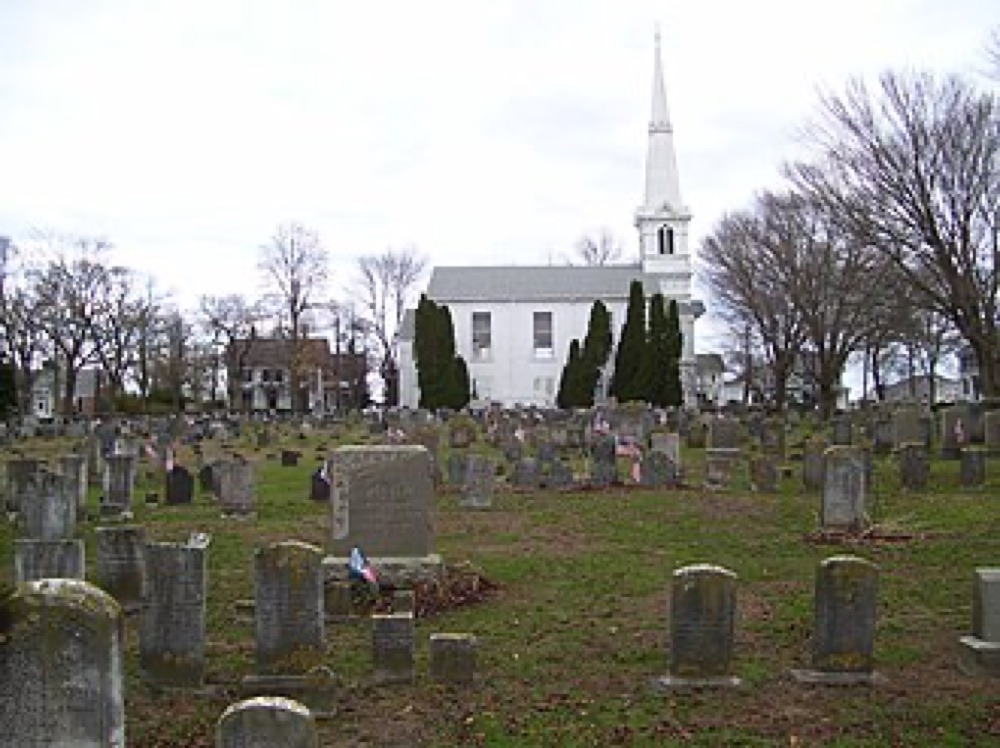
The church and the town meeting shaped these lives. , born at Bristol in 1681, served there as deacon. was a sergeant in the Middletown, Connecticut militia. The Connecticut River valley drew a whole branch — Jedediah Strong of Northampton (who died far off at Wood Creek, New York), his son Stephen Strong who lived to 1785, John Buell of Windsor who ended his days at Litchfield, and Mary Loomis, who lasted to 1768.
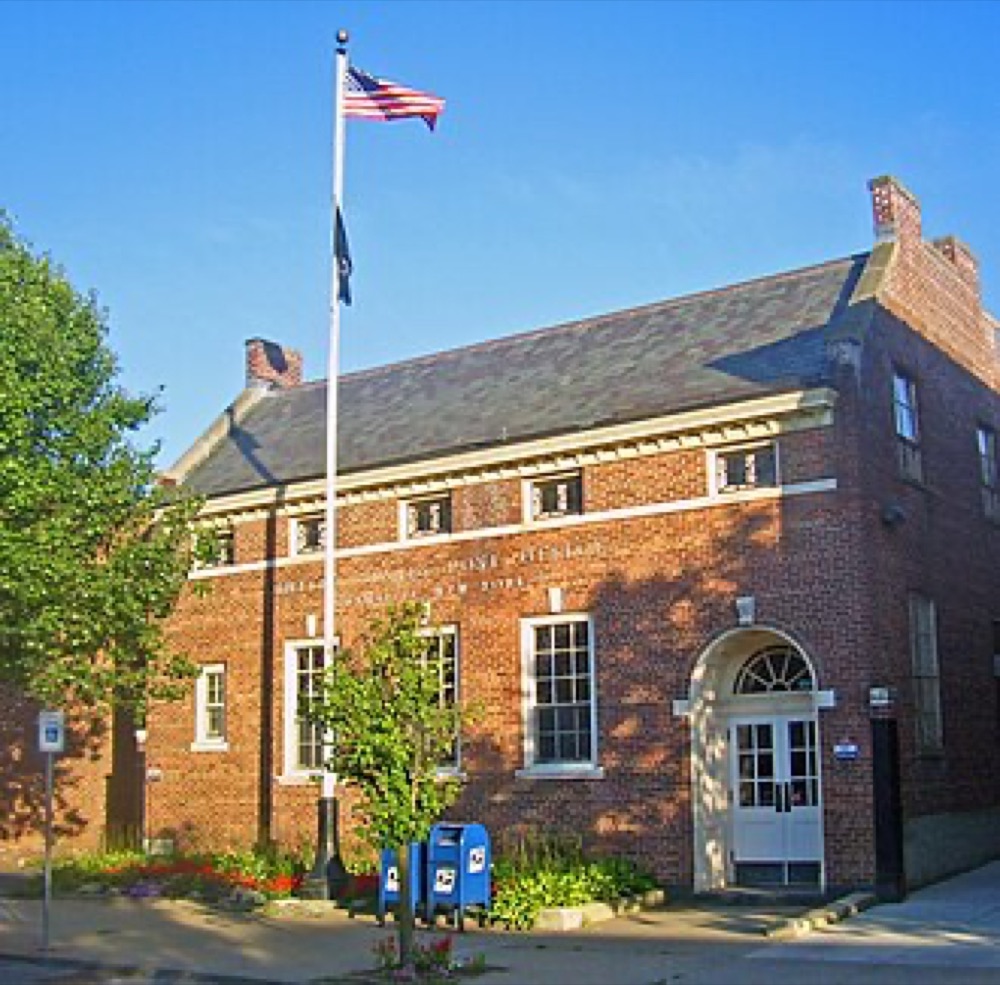
By the eighteenth century the line was on the move again: the Throops carried on at Bristol and Barrington, the Frenches drifted into New Jersey, the Finches into Orange County, New York, and the Hagermans and others crossed all the way to Elizabethtown and Leeds in Canada. From these scattered towns, the family's next leap westward would begin.
“"He was a joyner." — Samuel Little, of Marshfield and Bristol
Places in this generation


Key moments (16)
- c. 8 Feb 1654 born · Scituate, Massachusetts
- 5 Mar 1654 born · Scituate, Massachusetts
- c. 1656 born · Marshfield, Massachusetts
- 12 Aug 1659 born · Plymouth, Massachusetts
- 24 Aug 1663 born · Hartford, Connecticut
- 7 Aug 1667 born · Northampton, Massachusetts
- 17 Feb 1671 born · Windsor, Connecticut
- c. 20 Mar 1672 born · Windsor, Connecticut
- 10 Jul 1672 born · Middletown, Connecticut
- 21 Sep 1675 born · Dorchester, Massachusetts
- 22 Feb 1676 born
- 1679 married
- 1679 died
- Jan 1680 born · Dedham, Massachusetts
- 4 Sep 1681 born · Bristol, Rhode Island
- 18 May 1682 married · Marshfield, Massachusetts
before 1650 · 191 people
The Old World
English parishes before the crossing
⤳ England → Colonial New England
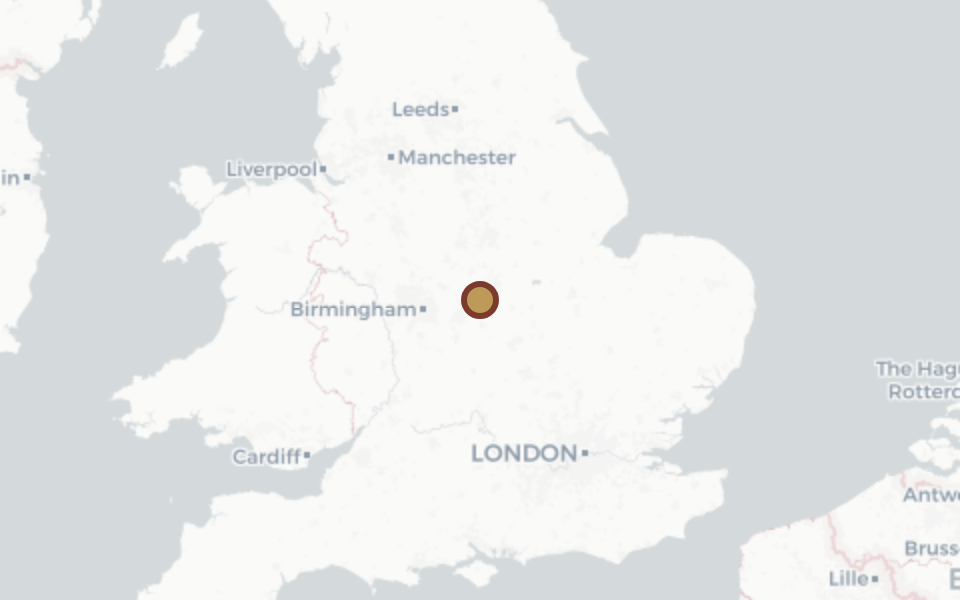
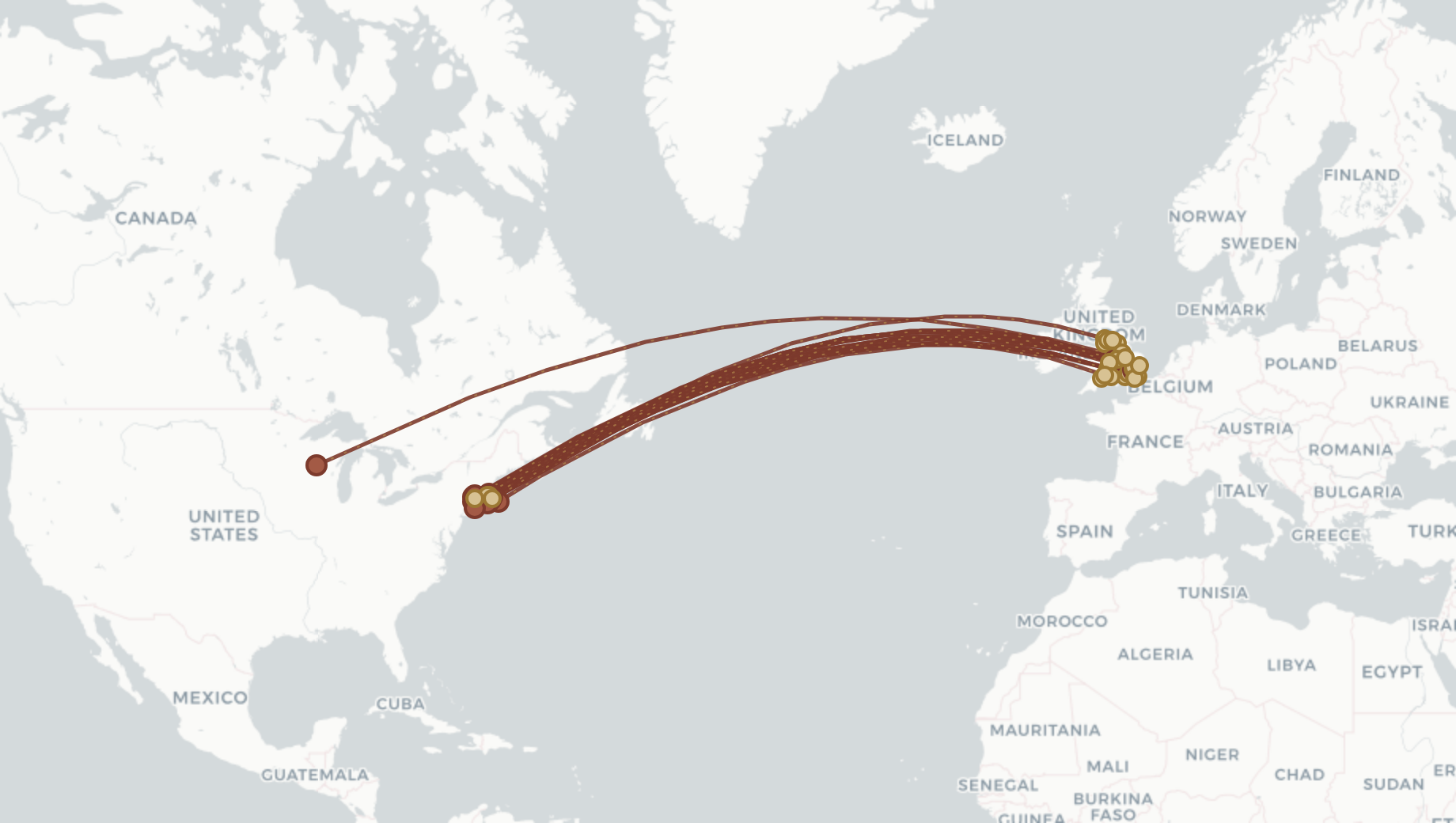
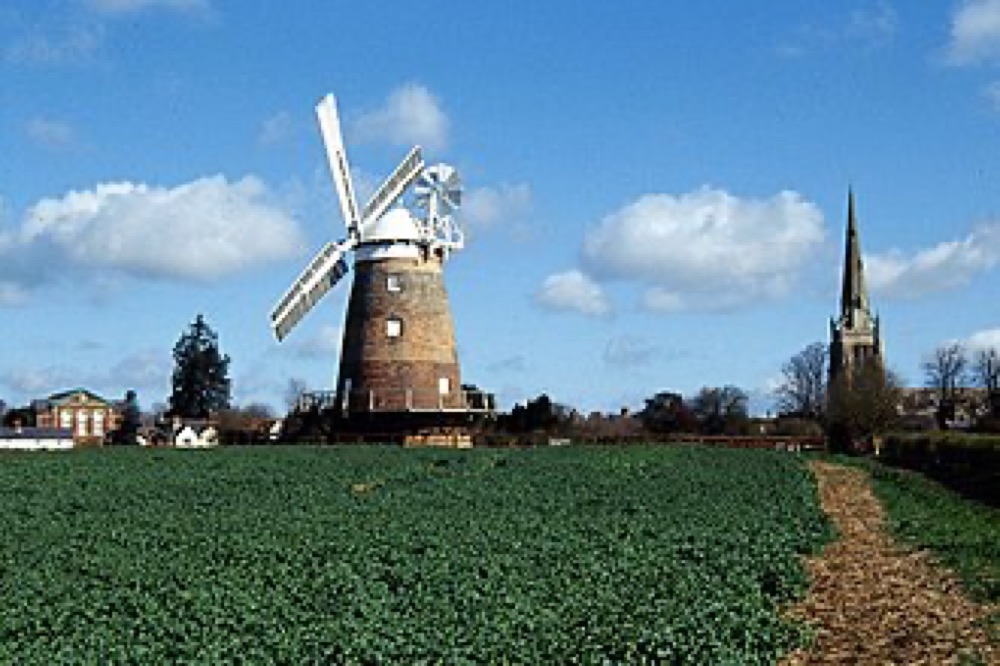
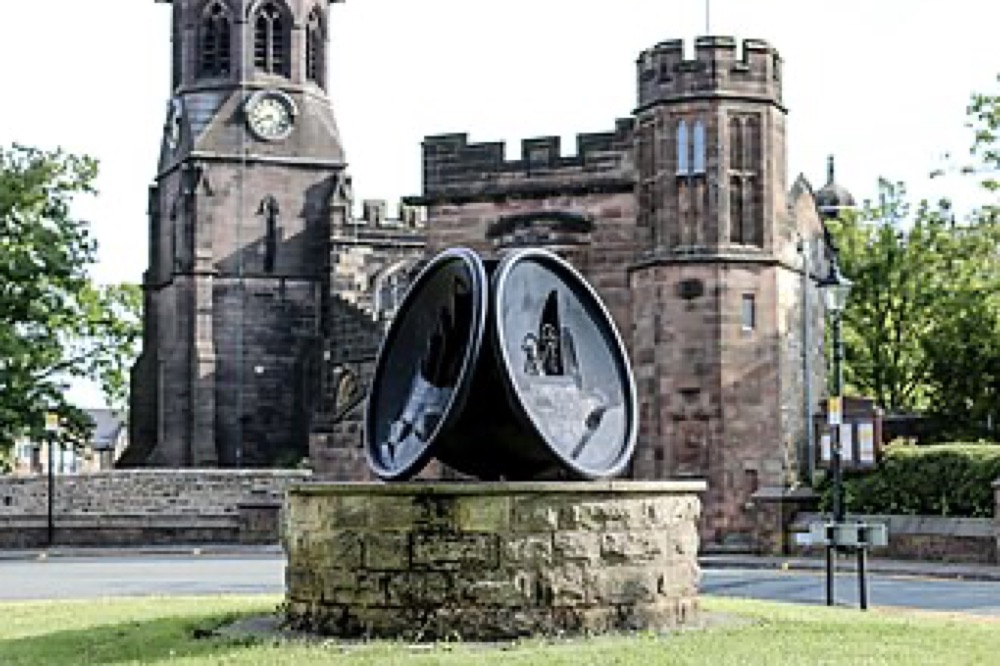
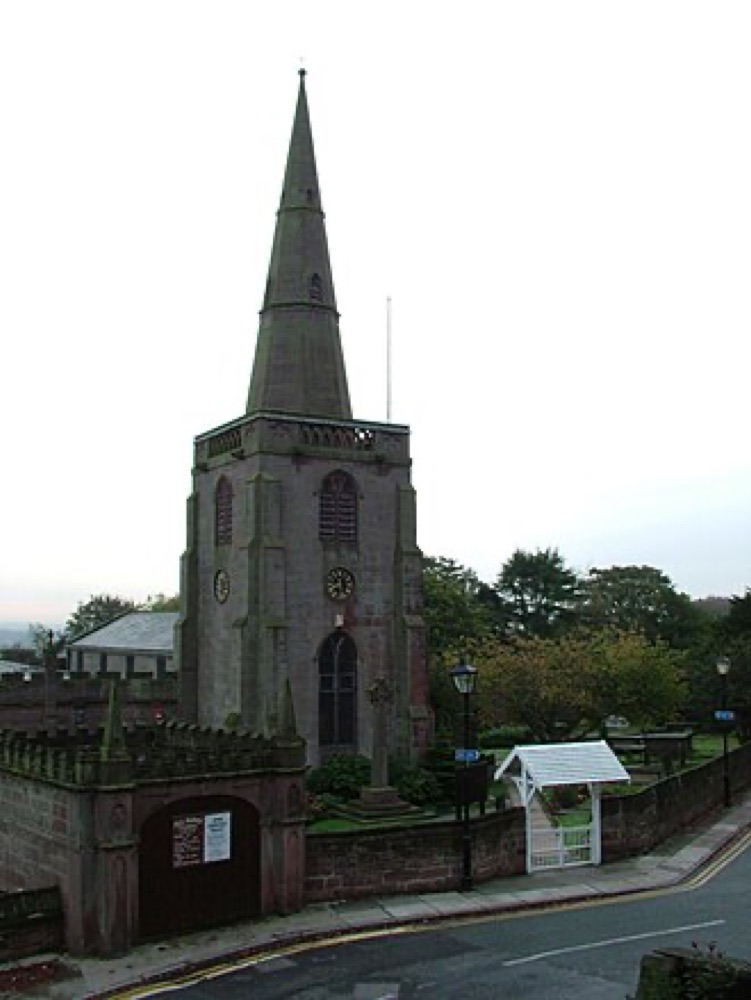
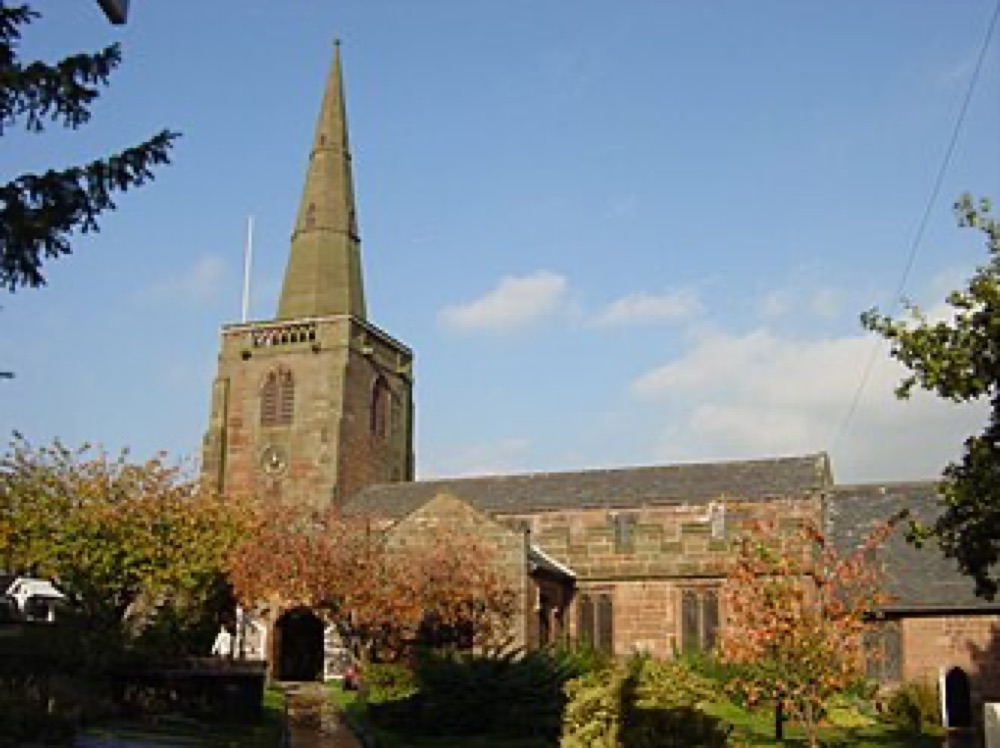
These 191 people are the deepest roots of the family, nearly all of them born and buried in the parishes of England across the long span from 1482 to 1741. The oldest named ancestor is Richard Molyneux (1482–1569) of Hawkley, whose daughter married of Shevington and carried the line down through and of Standish. To the east, the Lummys family held to Thaxted across generations, from (1512–1551) to (1536–1567), who was both born and died in that same town. In the cloth country of Yorkshire, the Barstows ran from William Barstow of Halifax through John Barstow (1540–1565) and of Shelf.
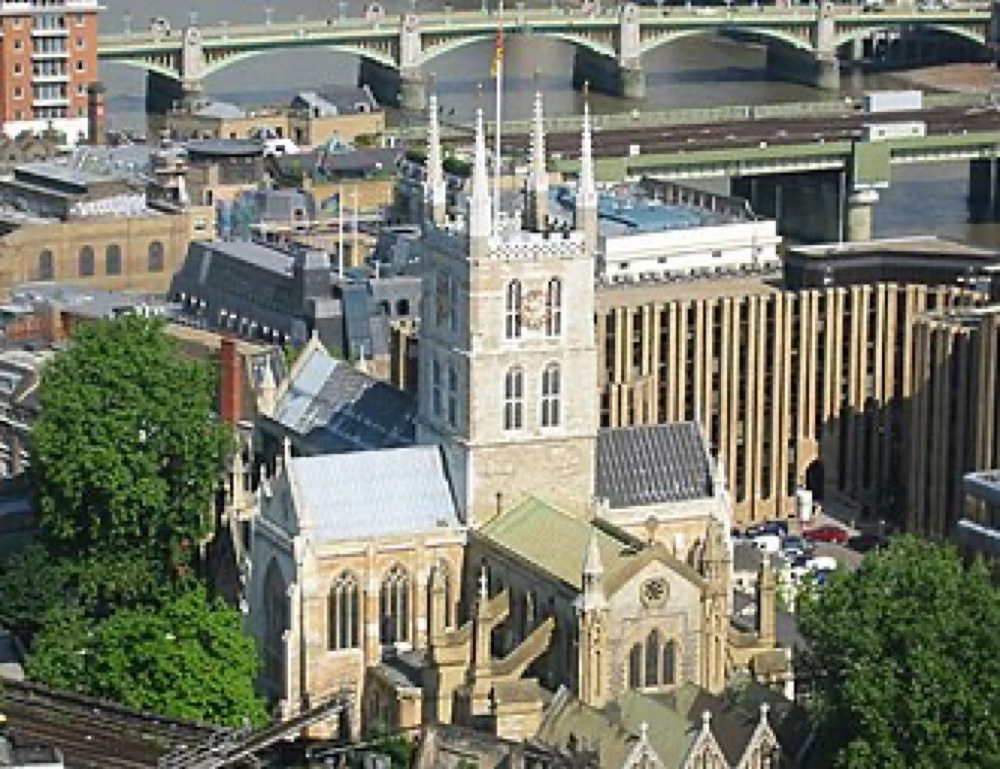
The Hicks line threads south, from of Gloucester down to of Southwark, who married , also of Southwark. The Griswolds reached from Roger Griswold (1540–1607), born at Yardley and died at Kenilworth, toward Edward Griswold, who would cross to Windsor, Connecticut.
The standout is James Chilton (1562–1620) of Canterbury, "a tailor and a freeman of Canterbury in 1583," who married in 1587 and moved his family to Sandwich around 1600 before dying at Cape Cod, Massachusetts. With him the Old World gave way to the New, and dozens of others followed the same Atlantic road.
“A tailor and a freeman of Canterbury in 1583.
Places in this generation

Key moments (16)
- 1482 born · Hawkley, England
- c. 1487 born · Gloucester, England
- c. 1508 born · Shevington, England
- c. 1512 born · Thaxted, England
- c. 1512 born · Hawkley, England
- 1514 born · Halifax, England
- c. 1519 born · Fortesset, England
- c. 1527 born · Surrey, England
- c. 1535 born · Shevington, England
- c. 1536 born · Thaxted, England
- c. 1536 born · Kelvedon, England
- c. 1539 born · Standish, England
- 15 Sep 1539 married · Halifax, England
- 15 Sep 1539 married · Halifax, England
- 1540 born · Bentley, England
- c. 1540 born · Yardley, England